
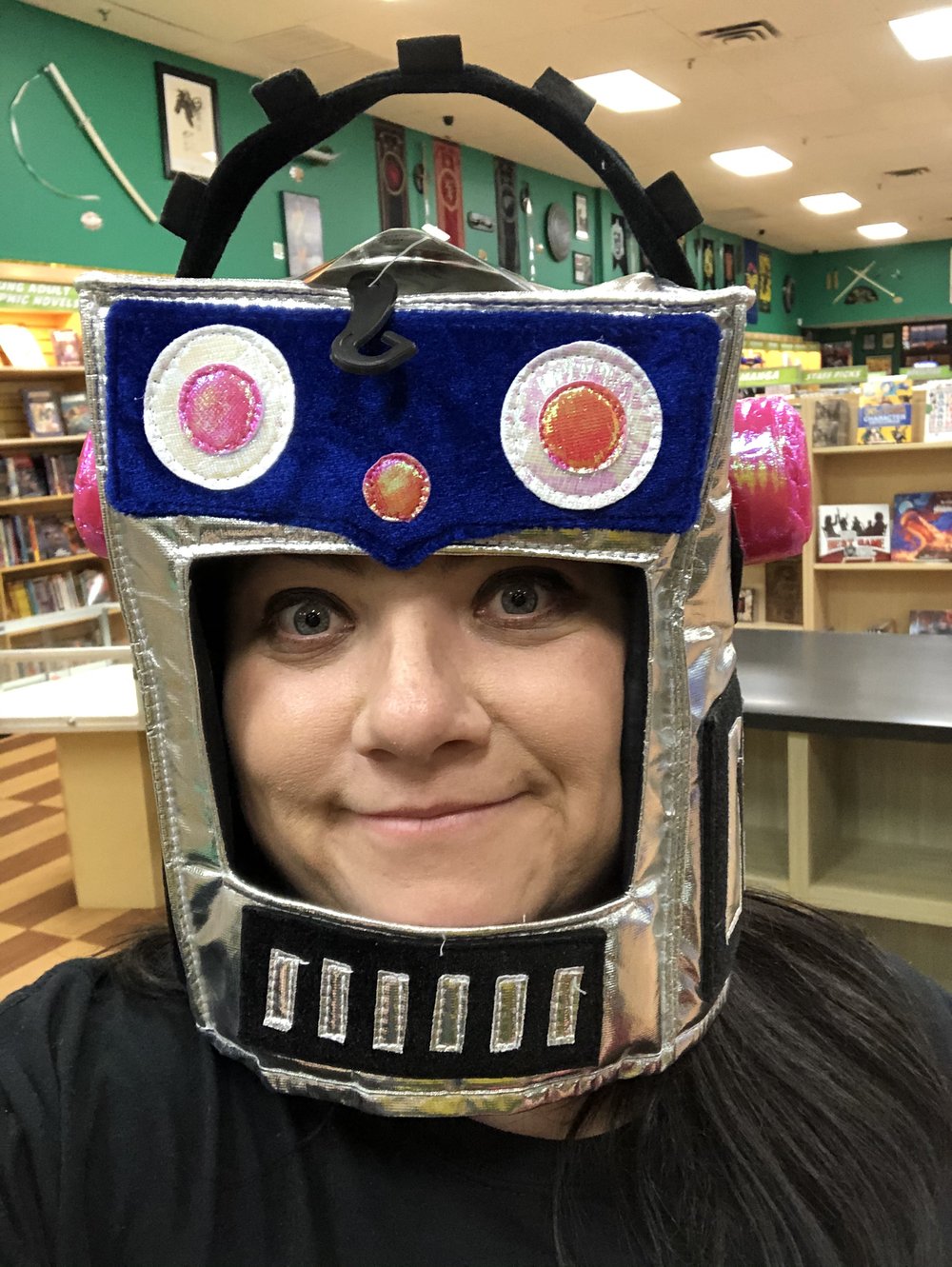
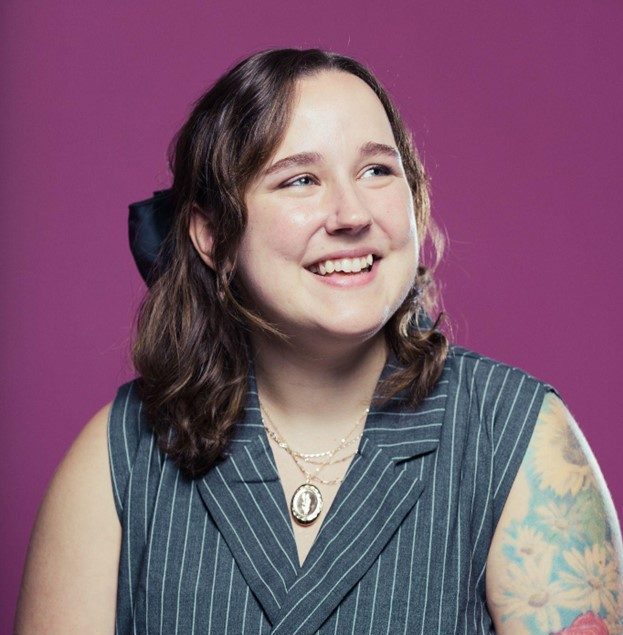
In association with Hear Our Voices, I given the opportunity to interview Quintero for the tenth anniversary of Gabi, A Girl in Pieces.
The Interview
Congratulations on the 10-year anniversary of Gabi, a Girl in Pieces! To ask quite simply, how does it feel ten years later? How have you changed, and has your relationship with Gabi changed?
Thank you so much. It feels pretty damn good, to be honest. It also feels a bit unreal still. So much has happened since it’s publication. I left my regular steady paycheck with benefits to write full time. So far it’s been a good choice. I think I’ve become more confident and more sure of myself, though there are moments I still fear someone will find out the truth, that I’m not really supposed to be doing this and that they made a mistake in publishing my work. Those moments though are less and less. I feel less guilty and more grateful about working from home while my parents had to work hard all their lives. I know that was their goal. A less physically demanding and more rewarding job that I could be proud of and that would feed and house me.
I still love Gabi so much. I feel like the way Gabi and I, and a lot of young people in this country, get to grow up at varying degrees of dysfunction, we have a lot things telling us we can’t do _____. For me, my parents, especially my mom, were supportive of my education. They were not supportive of an independent young woman who made her own choices about her body or selfhood. Like Gabi, I was expected to stay home until I got married and wasn’t allowed to leave home before then even for school. But I did and not on good terms. It was a traumatic experience. Gabi helped heal some of that because it was almost like writing a letter to younger Isabel telling her it was okay to be who she was. While writing isn’t therapy, it can be cathartic and it can be healing. That’s what I think Gabi has been for me.
I get emails from young people still, or I visit them at schools and at libraries, and I realize how much alike young people across generations and cultures are. While, Gabi is absolutely first generation in the U.S. she is also absolutely a Chicana, daughter of Mexican immigrants and that is how she sees and understands the world around her and beyond. And still…whenever I met young people who’ve read the book they let me know how much they related to it. I recently visited a group of young men in a youth correctional facility who read it as part of their book club and we had really great conversations. The young men told me about how they saw their lives reflected in the book and one even said how it helped him understand his sisters more.
Gabi explores many shared teenage experiences. A lot of this book is still relevant today and will always be. Reflecting on when it was written and the changes that have happened since then, do you think the experiences explored in Gabi would be different if you had written it more recently?
Sadly, I think somethings that I would have to add to reflect a high school classroom in the United States, and to paint the real world, the beautiful and the the ugly, would be active shooter drills, book bannings. I would have to rethink Sebastian’s coming out and what that would look like for him. Young people are more politically involved, their voices louder and angrier, and rightly so because what have we done? What have we allowed to happen? I think if I wrote the book today some of that may have to make it into the story. Maybe not as a major plot point but definitely in the background as part of the world Gabi lives in.
But also, I think a positive thing would be young people unashamedly asking for respect and for real change. That has been such an amazing thing to watch. To see young people unafraid and determined.
Gabi has won several awards and has been in the hands of many readers (approximately 11k if Goodreads is to be trusted). At this point, it goes without saying that Gabi has been there for many people. Have you ever had an interaction with a reader that resonated with you?
That is a lot of readers. When I realize it is in its 17th printing and has been printed over 55,000 times, I almost laugh it seems so unbelievable.
There have been many interactions with readers. I mentioned before about the incarcerated youth I got to meet. One of the things I kept thinking was about how I grew up with boys like them; Brown and Black boys who need/ed more love, support and gentleness because they were already facing such hardness outside their home. Hearing that my work resonated with them in some way was affirming.
There have been presentations where afterwards a couple of young women will pull me aside to let me know that what had happened to Cindy had happened to them or to now of their friends. Those moments are hard but it is such a privilege for a young person to confide in me because they read my book and see themselves.
Ten years later, what do you think the characters are up to now? Do you think Gabi has any wise words she may want to share with her 17/18-year-old self?
I would hope that they are happy. While I don’t have any plans to write a sequel, I have snuck Gabi into something else so we get a glimpse of where she would be now.
Writing books comes with many ups and downs. Whether it be those moments of literary healing or all those moments of self-doubt, writing is a wild ride. With all the great accomplishments following Gabi, is there anything you wish you could tell 2014 Isabel?
I would definitely tell 2014 Isabel that it is okay to celebrate, that it isn’t bad luck and that she deserves it. There was so much I just quietly celebrated because I was afraid that if I celebrated too loudly the thing I celebrated would disappear. I know now that it’s untrue and owe myself many glasses of champagne.
 Geekyst
Leave a comment